Can your ADU actually make money?

Get your free Score: score.aduadvisory.com
An ADU can create rental income — but the rent number alone does not tell you whether the project works.
A smarter way to think about ADU income is to compare probable rent against total project cost and ongoing ownership costs. That includes design fees, permits, construction, utility work, financing costs, insurance, taxes, repairs, vacancy, and management.
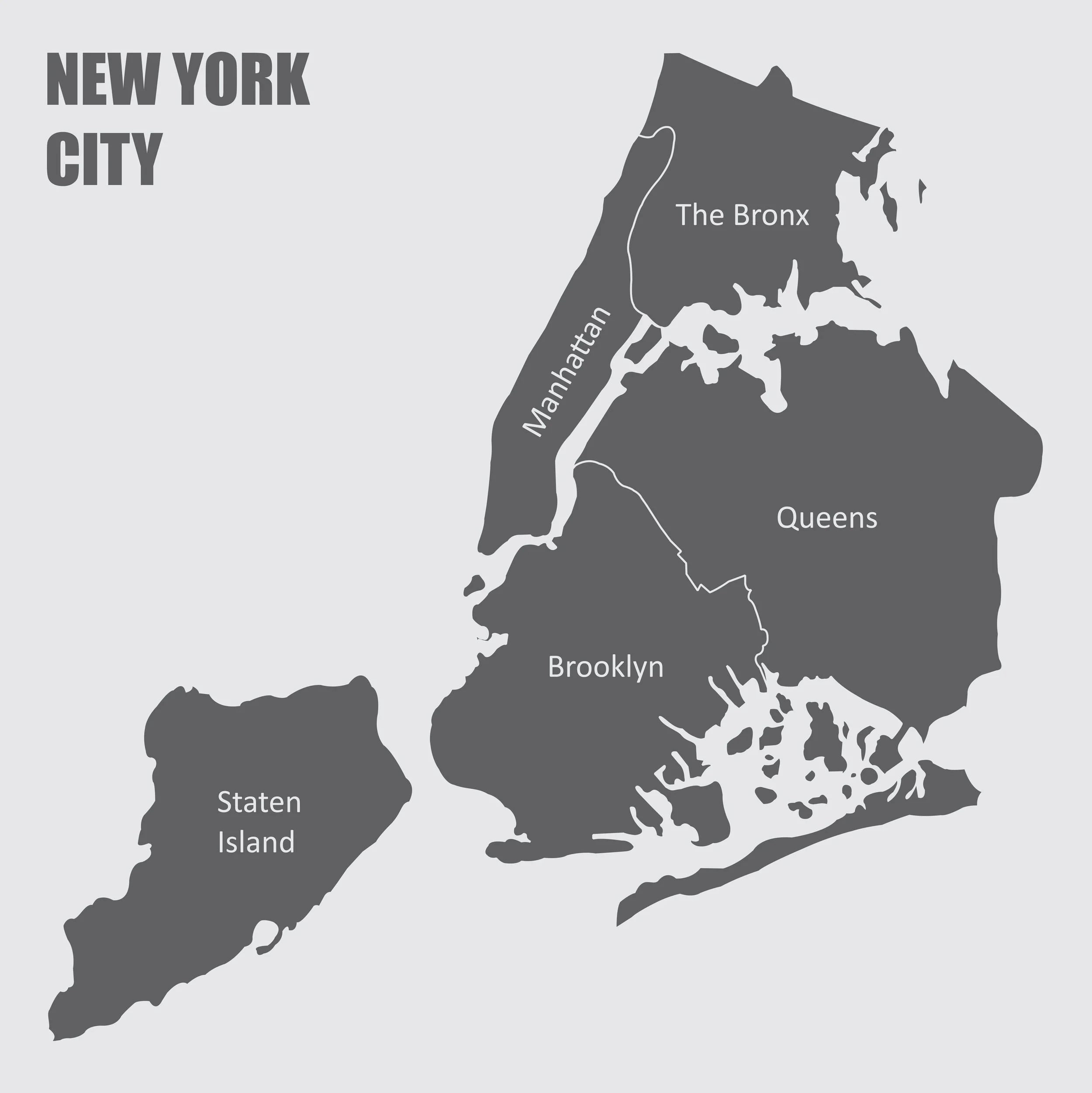
I recently spoke with a couple in Jackson Heights, Queens who were excited about converting part of their home into a small rental apartment. Their first question was the one most homeowners ask: "What can we rent it for?"
They had seen nearby one-bedroom apartments listed for about $2,300 to $2,700 per month and assumed the ADU would produce similar income. On paper, that sounded strong. But once we started walking through the numbers, the decision became more nuanced.

Their basement had decent space, but the ceiling height was uneven. In some areas it was close to 7 feet; near the beams and mechanical equipment it dropped lower. That meant the design might require selectively lowering the floor, relocating utilities, or rethinking the layout. Each option added cost.
Then we looked at likely expenses: design and filing fees, construction, new plumbing, electrical upgrades, fire separation, additional insurance, contingency, and possible financing costs. A project they first imagined might cost $125,000 could easily move closer to $200,000 depending on the final scope.
The lesson was not that the ADU was a bad idea. The lesson was that rent is only one part of the decision. A homeowner needs to understand the likely income, the real cost, and how long it may take before the ADU truly improves the household's financial position.
The better question
The basic question is not, "Can I rent it?" The better question is: "After costs, risk, and time, does this ADU improve my financial position?"
Homeowners should think this through before paying for drawings or construction estimates.
More Articles